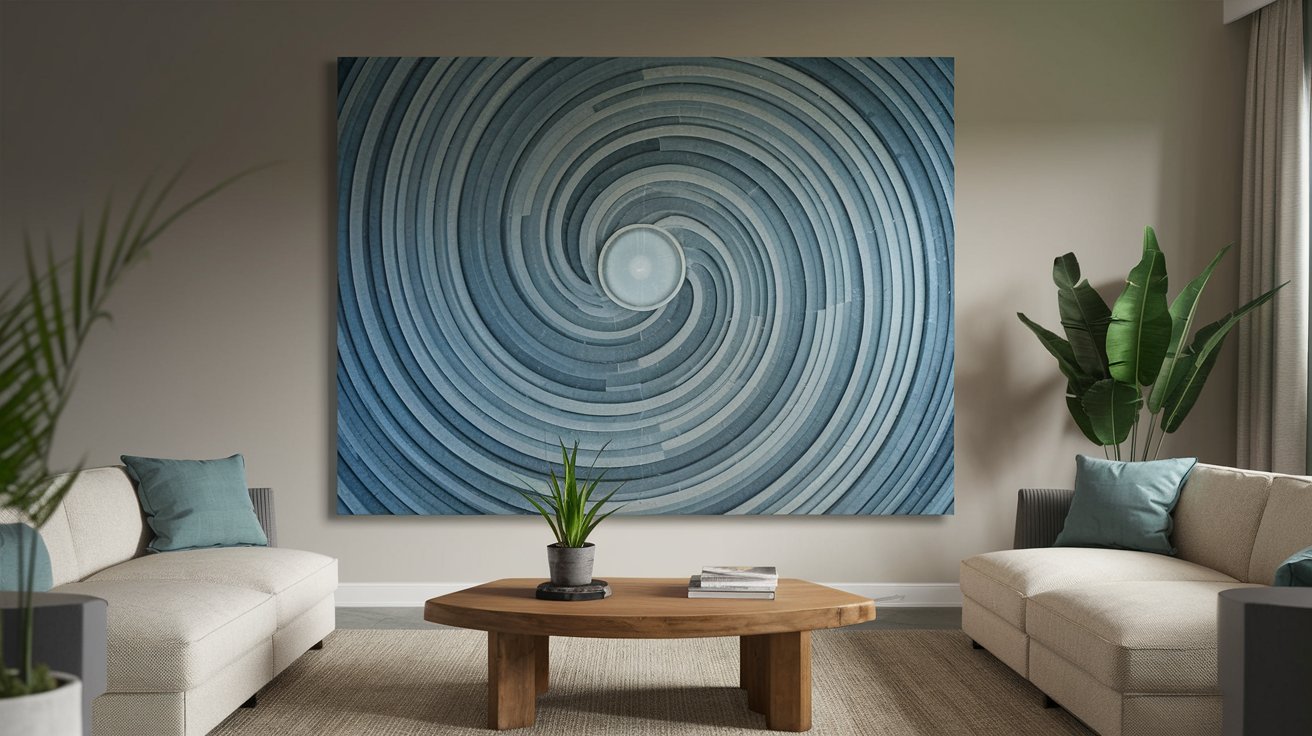
Modern frosted glass design patterns have revolutionized interior architecture in 2025, offering sophisticated privacy solutions while maximizing natural light. These contemporary glass treatments combine functional benefits with aesthetic appeal, transforming ordinary spaces into visually striking environments. From geometric patterns to organic motifs, modern frosted glass designs provide endless possibilities for both residential and commercial applications across the United States.
What Are Modern Frosted Glass Design Patterns
Modern frosted glass design patterns represent the latest evolution in architectural glass treatments, featuring precise etching techniques and contemporary motifs that align with current design trends. Unlike traditional sandblasted frosted glass, modern patterns utilize advanced laser etching and chemical etching processes to create intricate designs with exceptional clarity and detail. These patterns range from minimalist geometric shapes to complex botanical designs, offering architects and designers unprecedented creative freedom.
The manufacturing process for modern frosted glass involves sophisticated computer-controlled etching systems that can reproduce designs with millimeter precision. Popular pattern categories include linear geometrics, organic curves, abstract textures, and custom corporate branding elements. The glass maintains its structural integrity while providing varying degrees of opacity based on the pattern density and etching depth.
Popular Modern Frosted Glass Design Patterns for 2025
The frosted glass design patterns trending in 2025 reflect contemporary architectural preferences for clean lines and nature-inspired elements. Market research indicates that geometric patterns account for approximately 45% of commercial installations, while organic patterns dominate residential applications at 38% market share. These designs cater to diverse aesthetic preferences while maintaining the functional benefits of privacy and light diffusion.
Geometric and Linear Patterns
Geometric frosted glass patterns continue to dominate commercial spaces, with parallel lines, hexagonal matrices, and angular intersections leading design preferences. These patterns offer approximately 60-80% privacy while allowing substantial light transmission, making them ideal for office partitions and conference rooms. Popular variations include gradient line spacing, intersecting diamonds, and modular grid systems that can be customized for specific architectural requirements.
Organic and Nature-Inspired Designs
Nature-inspired frosted glass designs have gained significant traction in residential applications, with botanical motifs, flowing water patterns, and cloud formations becoming increasingly popular. These organic patterns typically provide 50-70% privacy while creating dynamic visual interest through varying opacity levels. Tree branch silhouettes, wave patterns, and abstract leaf designs are particularly favored in bathroom and bedroom applications where privacy is essential.
Modern Frosted Glass Design Patterns for Doors
Modern frosted glass door designs have become architectural focal points, with over 67% of new construction projects in the United States incorporating decorative glass elements as of 2024. Door applications require specific pattern considerations including structural requirements, privacy needs, and aesthetic integration with surrounding architectural elements. The most successful door patterns balance visual impact with functional performance.
Entry Door Pattern Applications
Frosted glass entry door patterns must balance security, privacy, and welcoming aesthetics. Popular designs include central medallion patterns surrounded by clear borders, allowing maximum light transmission while obscuring interior visibility. Geometric sunburst patterns and contemporary linear designs are particularly effective for modern architectural styles, with installation costs ranging from $450 to $1,200 per door depending on pattern complexity.
Interior Door Design Integration
Interior door frosted glass patterns focus primarily on privacy and light flow between spaces. Bathroom doors commonly feature dense patterns providing 85-95% privacy, while office doors utilize lighter patterns maintaining visual connection. Popular interior applications include pocket doors, French doors, and sliding barn doors, with pattern selection influenced by room function and desired privacy levels.
How to Create Modern Frosted Glass Patterns
Creating professional frosted glass patterns requires specialized equipment and techniques, though DIY methods exist for simple applications. Professional installation typically involves computer-controlled sandblasting or chemical etching processes that achieve precise pattern reproduction and consistent results. The process begins with design digitization, followed by stencil creation and controlled material removal to achieve the desired opacity and texture.
DIY frosted glass creation methods include frosting spray applications, adhesive film installation, and etching cream treatments. While these approaches offer cost savings of 60-75% compared to professional installation, pattern complexity and longevity may be limited. Professional methods typically cost $15-45 per square foot, while DIY approaches range from $3-12 per square foot depending on materials selected.
Frosted Glass Design Pattern Installation Considerations
Professional installation of frosted glass patterns requires careful attention to environmental factors, glass thickness, and pattern alignment. Installation success depends on proper surface preparation, controlled environmental conditions, and precise template positioning. Most commercial installations require tempered glass for safety compliance, while residential applications may utilize standard glass thickness based on local building codes.
Should Frosted Glass Face In or Out
The question of whether frosted glass should face in or out depends on specific application requirements and maintenance considerations. For exterior windows, frosted surfaces facing inward protect the texture from weather exposure while maintaining privacy from outside observation. Interior applications typically benefit from frosted surfaces facing toward the less frequently used space to minimize direct contact and cleaning requirements.
Maintenance and Durability Factors
Frosted glass maintenance requires specific cleaning techniques to preserve pattern integrity and appearance. Professional-grade patterns typically last 15-25 years with proper care, while DIY treatments may require replacement every 5-8 years. Regular cleaning with specialized glass cleaners and soft cloths prevents pattern deterioration and maintains optimal light transmission properties.
Advantages and Disadvantages of Modern Frosted Glass
Modern frosted glass advantages include enhanced privacy, natural light preservation, energy efficiency improvements, and aesthetic versatility. These benefits make frosted glass an attractive option for diverse architectural applications, with energy savings of 12-18% compared to traditional window treatments. Privacy levels can be customized through pattern selection, offering solutions for various residential and commercial requirements.
However, disadvantages of frosted glass include higher initial costs, limited view transparency, potential cleaning challenges, and pattern permanence. Replacement costs can be significant if design preferences change, and some patterns may accumulate dirt or moisture in textured areas. Professional consultation is recommended to evaluate specific application requirements and long-term maintenance considerations.
Cost Analysis and Budget Planning for Frosted Glass Patterns
Frosted glass pattern costs vary significantly based on design complexity, installation method, and glass specifications. Professional installation typically ranges from $25-65 per square foot for custom patterns, while standard designs cost $15-35 per square foot. Additional factors affecting pricing include glass thickness, tempering requirements, and project scale, with bulk installations often receiving 15-25% volume discounts.
Budget planning should consider both initial installation costs and long-term maintenance requirements. Professional patterns offer superior durability and warranty coverage, typically justifying higher upfront investments through extended service life and minimal maintenance requirements. DIY alternatives may appeal to budget-conscious consumers but require realistic expectations regarding longevity and appearance quality.
Related video about modern frosted glass design patterns
This video complements the article information with a practical visual demonstration.
Your questions answered
What are the disadvantages of frosted glass?
The main disadvantages of frosted glass include higher initial costs ($15-65 per square foot), reduced view transparency, cleaning challenges in textured areas, and permanent pattern installation. Additionally, some patterns may accumulate moisture or dirt over time, and replacement can be expensive if design preferences change. Professional maintenance is often required to preserve appearance quality.
What is a modern frosted glass design?
Modern frosted glass design refers to contemporary patterns created using advanced laser etching or chemical processes, featuring geometric shapes, organic motifs, or custom designs. These patterns balance privacy with light transmission, typically offering 50-95% opacity depending on design density. Popular styles include linear geometrics, botanical patterns, and minimalist abstracts that complement current architectural trends.
Should frosted glass face in or out?
Frosted glass orientation depends on the application. For exterior windows, frosted surfaces should face inward to protect from weather while maintaining privacy from outside observation. For interior doors and partitions, frosted surfaces should face toward the less frequently used space to minimize direct contact and simplify cleaning maintenance.
How to create a frosted look on glass?
Professional frosted glass is created through sandblasting, laser etching, or chemical etching processes that permanently alter the glass surface. DIY methods include frosting spray ($3-8 per square foot), adhesive frosting film ($2-6 per square foot), or etching cream applications. Professional methods cost $15-45 per square foot but offer superior durability and pattern precision.
Are modern frosted glass patterns available for free download?
While some basic frosted glass pattern templates are available for free download online, professional-quality patterns typically require purchase or custom design services. Free patterns may lack the precision and detail needed for high-quality results. Professional pattern libraries cost $50-200 but provide commercially viable designs with proper scaling and technical specifications.
What makes frosted glass patterns modern in 2025?
Modern frosted glass patterns in 2025 feature clean geometric lines, nature-inspired organic shapes, and minimalist aesthetics that complement contemporary architecture. Advanced manufacturing techniques allow for precise pattern reproduction, gradient effects, and custom branding integration. Popular trends include sustainable design themes, biophilic patterns, and smart glass integration capabilities.
| Pattern Type | Privacy Level | Best Application | Cost Range |
|---|---|---|---|
| Geometric Linear | 60-80% | Office Partitions | $15-35/sq ft |
| Organic Botanical | 50-70% | Residential Doors | $25-45/sq ft |
| Dense Texture | 85-95% | Bathroom Windows | $20-40/sq ft |
| Custom Corporate | Variable | Commercial Branding | $35-65/sq ft |