Choosing the best glass for shower door installations requires understanding the various glass types, thickness options, and maintenance requirements available in 2025. The right glass selection impacts durability, privacy, and cleaning ease, with tempered glass being the industry standard for safety compliance in residential applications across the United States.
Types of Shower Glass for Door Applications
The modern shower glass market offers several distinct types, each designed for specific privacy needs and aesthetic preferences. Clear glass shower doors remain the most popular choice, representing approximately 65% of installations according to 2024 industry data from the Glass Association of North America. This popularity stems from their ability to create an open, spacious feel while showcasing tile work and bathroom design elements.
Textured glass options have gained significant traction, with rain glass and fluted glass variants leading market growth. These alternatives provide varying degrees of privacy while maintaining the benefits of natural light transmission, making them ideal for shared bathrooms or street-facing installations where privacy is paramount.
Clear Glass Shower Doors
Clear glass shower doors offer unobstructed views and maximum light transmission, making bathrooms appear larger and more open. This glass type requires regular cleaning to maintain its pristine appearance, as water spots and soap residue are highly visible. Professional installers recommend 3/8-inch thickness for standard applications, providing optimal balance between cost and structural integrity.
Textured Glass Varieties
Rain glass shower doors feature a distinctive water-droplet pattern that obscures the view while allowing light to pass through effectively. Fluted glass presents vertical ridges that create elegant visual lines while providing moderate privacy. These textured surfaces help camouflage water spots and fingerprints, reducing visible maintenance requirements compared to clear alternatives.
Obscure Glass Options
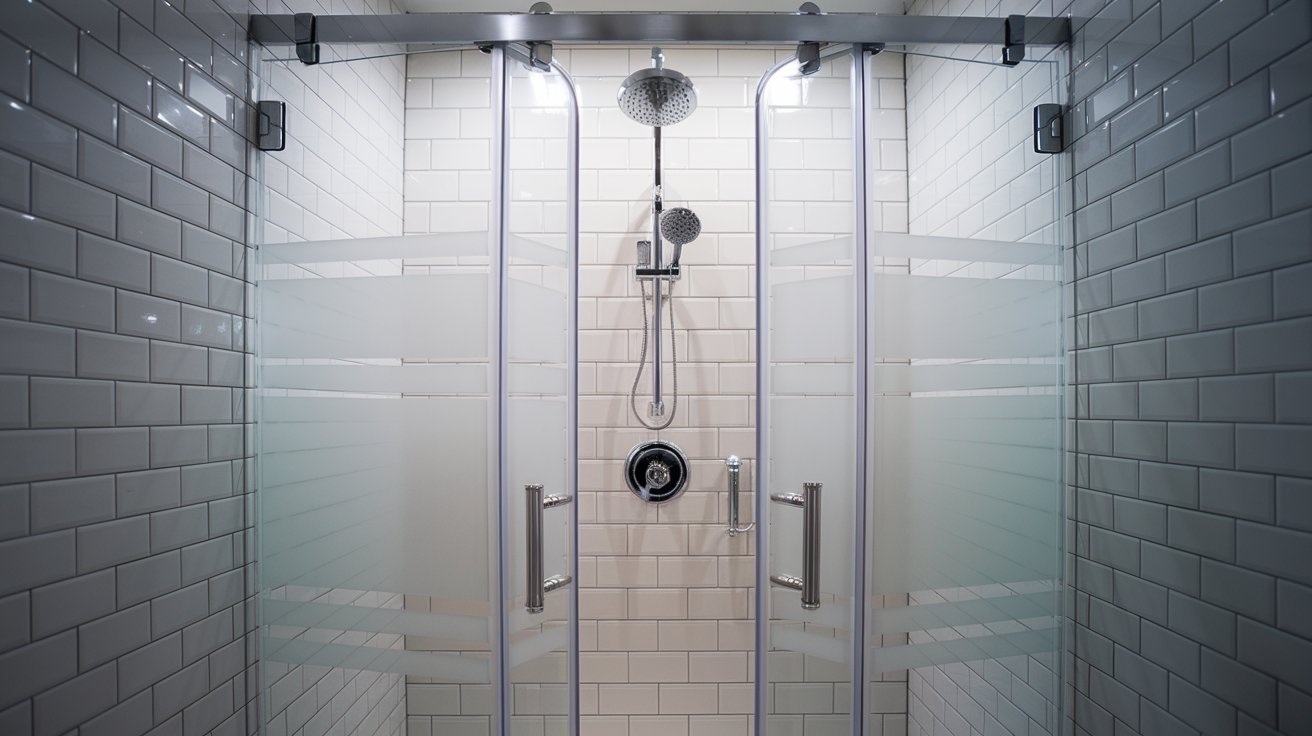
Obscure glass shower doors include frosted, etched, and patterned varieties that maximize privacy without sacrificing brightness. These options work exceptionally well in guest bathrooms and master suites where privacy is essential. The manufacturing process involves acid etching or sandblasting techniques that create permanent surface textures resistant to wear and cleaning chemicals.
Glass Thickness Considerations for Shower Doors
Glass thickness directly impacts durability, safety, and overall door performance in shower applications. The debate between 3/8 inch vs 1/2 inch shower glass centers on structural requirements, cost considerations, and installation complexity. Industry standards recommend minimum 3/8-inch thickness for safety compliance, while 1/2-inch options provide enhanced durability and reduced flexing during operation.
Thicker glass shower doors offer superior stability and longevity, particularly in high-usage family bathrooms. The additional material cost, typically 20-30% higher for 1/2-inch glass, often justifies itself through improved performance and reduced replacement frequency over the door’s 15-20 year lifespan.
Best Glass Types for Easy Maintenance
Maintenance requirements vary significantly among glass types, with certain options designed specifically for easy cleaning shower glass applications. Protective coatings like Guardian ShowerGuard and Pilkington Activ technology create hydrophobic surfaces that repel water and reduce mineral buildup. These treatments can reduce cleaning frequency by up to 50% according to manufacturer testing data from 2024.
Low-maintenance glass options include those with built-in protective treatments applied during manufacturing. These coatings penetrate the glass surface, creating permanent water-repelling properties that eliminate the need for aftermarket treatments. The initial investment in treated glass typically recovers costs within 3-5 years through reduced cleaning product expenses and time savings.
Water-Repelling Glass Coatings
Hydrophobic glass coatings transform water behavior on glass surfaces, causing droplets to bead and roll off rather than spreading into sheets. These treatments work at the molecular level, bonding with glass surfaces to create invisible protective barriers. Professional application ensures even coverage and maximum effectiveness, with properly applied coatings lasting 10-15 years under normal use conditions.
Self-Cleaning Glass Technology
Self-cleaning shower glass utilizes photocatalytic titanium dioxide coatings that break down organic compounds when exposed to ultraviolet light. This technology works continuously, decomposing soap scum, body oils, and other organic residues that typically accumulate on shower surfaces. While initially developed for exterior building applications, residential shower adaptations have shown promising results in reducing manual cleaning requirements.
Safety Requirements and Tempered Glass Standards
Safety regulations mandate specific glass types for shower door applications across all United States jurisdictions. Tempered glass shower doors must meet ANSI Z97.1 and CPSC 16 CFR 1201 safety standards, ensuring glass breaks into small, relatively harmless pieces rather than dangerous shards. These requirements apply to all glass within 18 inches of bathing areas and extend to 60 inches above floor level.
Safety glass certification involves rigorous testing procedures including impact resistance, thermal shock evaluation, and fragmentation analysis. Manufacturers must provide permanent etching or labeling identifying glass as safety-compliant, with installation requiring licensed professionals to ensure proper mounting and seal integrity.
Premium Glass Brands and Quality Standards
Leading glass manufacturers offer specialized shower door products with distinct performance characteristics and warranty coverage. Guardian Glass shower doors feature advanced protective coatings and superior optical clarity, backed by comprehensive manufacturer warranties. Pilkington, Cardinal Glass, and Vitro Architectural Glass represent additional premium options with proven track records in residential applications.
Quality glass standards encompass optical clarity, structural integrity, and surface uniformity measurements. Premium products undergo enhanced quality control processes, including stress analysis, optical distortion testing, and coating adhesion verification. These additional steps ensure consistent performance and appearance throughout the product’s service life.
Cost Analysis and Value Considerations
Shower glass pricing varies significantly based on thickness, treatments, and quality levels, with basic 3/8-inch clear glass starting around $3-5 per square foot in 2024 pricing. Premium shower glass options with protective coatings and enhanced clarity command $8-12 per square foot, reflecting manufacturing complexity and performance benefits. Installation costs typically add $100-200 per linear foot, depending on regional labor rates and project complexity.
Long-term value calculations should consider maintenance savings, replacement frequency, and aesthetic durability when comparing glass options. Premium glass with protective treatments often provides superior total cost of ownership despite higher initial investment, particularly in hard water areas where mineral buildup accelerates standard glass degradation.
Installation and Professional Recommendations
Professional installation ensures proper glass handling, accurate measurements, and compliant mounting systems for optimal performance and safety. Certified glass installers understand weight distribution requirements, seal placement specifications, and local building code compliance necessary for successful shower door projects. DIY installation attempts often result in measurement errors, improper sealing, and potential safety hazards.
Professional installation benefits include warranty coverage, proper tool usage, and experience with various glass types and mounting systems. Qualified installers carry liability insurance and provide workmanship guarantees, protecting homeowners from installation-related issues and ensuring long-term satisfaction with glass shower door performance.
Regional Considerations and Climate Factors
Climate conditions across different United States regions influence glass selection and performance requirements for shower applications. Hard water areas in states like Arizona, Nevada, and parts of California benefit from enhanced protective coatings that resist mineral buildup and etching. Coastal regions with high humidity may require specialized treatments to prevent mold and mildew accumulation around glass edges.
Regional building codes may impose additional requirements beyond federal safety standards, particularly in earthquake-prone areas where enhanced mounting systems and flexible sealing materials become necessary. Local glass suppliers understand these regional variations and can recommend appropriate products for specific geographic locations and climate conditions.
Related video about best glass for shower door
This video complements the article information with a practical visual demonstration.
Everything you need to know about best glass for shower door
Which glass is best for a shower door?
Tempered clear glass in 3/8-inch thickness represents the best overall choice for most shower applications, offering optimal safety, durability, and visual appeal. For enhanced maintenance benefits, clear glass with hydrophobic coatings reduces cleaning requirements while maintaining transparency and light transmission.
What is the clearest shower glass available?
Low-iron glass, also called ultra-clear or crystal glass, provides maximum transparency by reducing the natural green tint found in standard glass. This premium option costs 20-30% more than standard clear glass but offers superior optical clarity for high-end bathroom applications.
What’s better for shower doors: 3/8 or 1/2 inch glass?
Half-inch glass offers superior stability and reduced flexing compared to 3/8-inch options, making it ideal for large door panels or heavy-use applications. While 3/8-inch meets safety requirements and costs less, 1/2-inch provides enhanced durability and premium feel worth the additional investment for most homeowners.
What is the easiest shower glass to keep clean?
Rain glass and other textured varieties camouflage water spots and soap residue most effectively, requiring less frequent cleaning than clear alternatives. However, clear glass with factory-applied protective coatings like Guardian ShowerGuard offers the best combination of easy maintenance and visual clarity.
How long do shower glass doors typically last?
Quality tempered glass shower doors last 15-20 years with proper maintenance, while premium options with protective coatings can extend service life to 25 years or more. Regular cleaning and proper care significantly impact longevity, with hard water areas potentially reducing lifespan without appropriate protective treatments.
Are textured glass shower doors worth the extra cost?
Textured glass provides excellent privacy benefits and reduces visible water spots, making them worthwhile for guest bathrooms and high-traffic areas. The additional cost, typically 15-25% over clear glass, often justifies itself through reduced cleaning frequency and enhanced privacy without sacrificing natural light.
| Glass Type | Best Applications | Key Benefits |
|---|---|---|
| Clear Tempered Glass | Master bathrooms, modern designs | Maximum light, spacious feel, showcases tilework |
| Rain Glass | Guest baths, privacy needs | Moderate privacy, hides water spots, elegant texture |
| Coated Clear Glass | Hard water areas, low maintenance | Easy cleaning, water repelling, long-term savings |
| Frosted Glass | Maximum privacy requirements | Complete privacy, maintains brightness, elegant appearance |