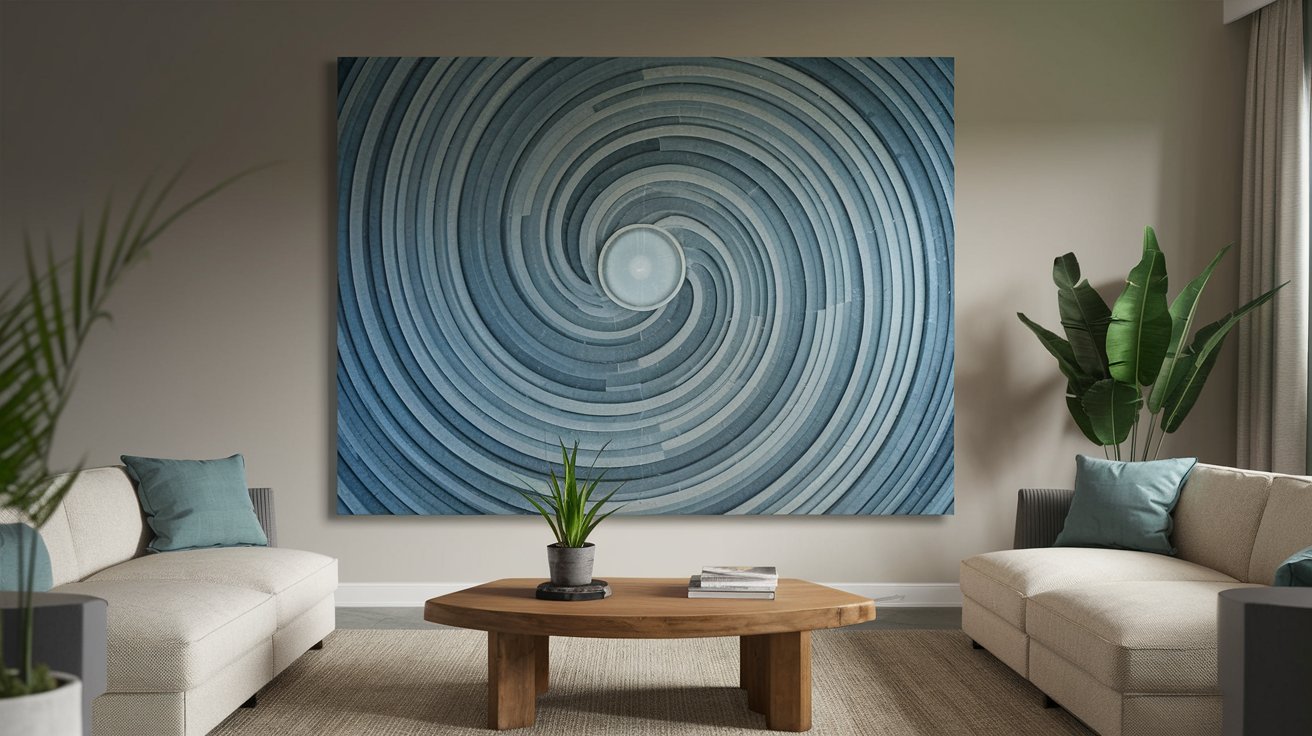
Interior design glass wall panels have revolutionized modern home aesthetics in 2025, offering sophisticated solutions that maximize natural light while maintaining architectural elegance. These versatile glass wall panels create stunning visual separation between spaces without compromising openness, making them ideal for contemporary American homes seeking both functionality and style.
Types of Interior Glass Wall Panels
Tempered glass wall panels represent the most popular choice for residential applications, offering enhanced safety and durability. These panels undergo heat treatment that makes them four times stronger than regular glass, meeting safety standards required by U.S. building codes. Decorative glass panels for walls include frosted, etched, and textured options that provide privacy while maintaining light transmission.
Laminated glass panels feature multiple layers with interlayer materials, providing superior sound insulation and security. Smart glass panels incorporate electrochromic technology, allowing users to control transparency levels electronically. These advanced interior design glass wall panels can switch from clear to opaque instantly, offering ultimate privacy control for modern American homes.
Structural Glass Panel Systems
Structural glazing systems use floor-to-ceiling glass panels that create seamless visual continuity throughout interior spaces. These systems require minimal framing, achieving clean contemporary aesthetics favored in 2025 design trends. Professional installation ensures proper load distribution and seismic compliance for U.S. residential applications.
Modular Glass Wall Solutions
Modular glass wall panels interior systems offer flexibility for changing space configurations. These demountable systems allow homeowners to reconfigure layouts without permanent construction modifications. Premium manufacturers provide standardized dimensions that integrate seamlessly with existing architectural elements.
Interior Design Glass Wall Panels Cost Analysis
Interior design glass wall panels cost varies significantly based on specifications and installation complexity. Standard tempered glass panels range from $25 to $75 per square foot in 2025, while premium smart glass options cost $100 to $400 per square foot. Glass wall panels for office applications typically require higher-grade materials, increasing costs by 20-30% compared to residential installations.
Installation labor adds $15 to $35 per square foot, depending on project complexity and regional labor rates across the United States. Custom fabrication for unique dimensions or specialized treatments can increase interior design glass wall panels price by 40-60%. Most American contractors recommend budgeting 10-15% additional for permits and structural modifications required for proper installation.
Glass Walls vs Drywall Cost Comparison
Standard drywall construction costs approximately $2 to $8 per square foot including materials and labor. Glass wall panels are significantly more expensive initially but offer superior durability and aesthetic value. Long-term maintenance costs favor glass systems, which require minimal upkeep compared to drywall repairs and repainting.
Financing and Budget Planning
Many American homeowners finance interior design glass wall panels through home improvement loans or refinancing options. Premium installations qualify as home value improvements, potentially increasing property appraisal values by 8-12%. Budget planning should include contingencies for electrical modifications and structural reinforcement requirements.
Room Applications and Design Ideas
Glass wall panels for living room applications create dramatic architectural statements while maintaining sight lines throughout open floor plans. Contemporary American homes utilize these panels to separate living areas from dining spaces without blocking natural light flow. Strategic placement enhances both functionality and visual appeal in modern interior design schemes.
Kitchen applications benefit from decorative glass panels for walls that resist moisture and grease while providing easy maintenance. Frosted or textured panels offer privacy for pantries and utility areas while maintaining design continuity. Professional designers recommend integrating LED lighting systems behind translucent panels for enhanced ambient lighting effects.
Bedroom and Private Space Applications
Master bedroom suites utilize interior glass wall panels to create luxury bathroom divisions while maintaining spacious aesthetics. Smart glass technology provides instant privacy when needed, combining functionality with sophisticated design elements favored in 2025 luxury home trends.
Commercial and Office Integration
Home office spaces benefit from glass wall panels for office configurations that maintain visual connection with family areas while providing acoustic separation. These installations support remote work requirements while preserving open home environments essential for modern American lifestyles.
Installation Process and Requirements
Professional installation of interior design glass wall panels requires comprehensive structural assessment and local permit acquisition. Most U.S. jurisdictions require engineered drawings for structural glass installations exceeding 8 feet in height. Proper installation ensures compliance with International Building Code requirements and manufacturer warranty terms.
Pre-installation preparation includes precise measurement, structural reinforcement evaluation, and electrical planning for integrated lighting systems. Tempered glass wall panels require specialized handling equipment and experienced installation teams to prevent damage during positioning and securing. Timeline typically ranges from 2-5 days depending on project complexity and panel configurations.
Maintenance and Longevity
Properly maintained glass wall panels interior systems provide decades of service with minimal intervention requirements. Regular cleaning with appropriate glass cleaners maintains optical clarity and prevents mineral buildup common in hard water regions across the United States. Professional inspection every 2-3 years ensures structural integrity and identifies potential seal deterioration.
Warranty coverage for premium interior design glass wall panels typically includes 10-20 years for structural components and 5-10 years for hardware elements. Manufacturers recommend using certified cleaning products to maintain warranty coverage and prevent damage from inappropriate chemical exposure.
Disadvantages and Considerations
Primary disadvantages of glass wall systems include higher initial investment compared to traditional construction methods and potential privacy limitations in certain applications. Sound transmission through glass panels may require additional acoustic treatments for optimal noise control. Thermal performance considerations become important in extreme climate regions across the United States.
Safety considerations include impact resistance requirements and proper edge protection to prevent injury risks. Building codes mandate specific glass types and thickness requirements for different applications. Professional consultation ensures appropriate material selection and installation methods for specific project requirements and local regulatory compliance.
Related video about interior design glass wall panels
This video complements the article information with a practical visual demonstration.
FAQ – Common Questions
What are the disadvantages of glass walls?
Glass walls have higher initial costs than drywall, limited privacy without treatments, potential sound transmission issues, and require specialized cleaning. They may also have thermal performance limitations in extreme climates and need professional installation to meet safety codes.
What are those glass walls called?
Interior glass walls are called glass partition systems, glazed wall panels, or structural glazing systems. Specific types include tempered glass panels, laminated glass walls, smart glass partitions, and decorative glass wall panels depending on their construction and functionality.
Are interior glass walls expensive?
Yes, interior glass walls cost significantly more than drywall, ranging from $25-$75 per square foot for standard panels, plus $15-$35 installation costs. Premium smart glass can cost $100-$400 per square foot, compared to drywall at $2-$8 per square foot.
Is a glass wall more expensive than drywall?
Glass walls are 5-20 times more expensive than drywall initially. Standard glass panels cost $40-$110 per square foot installed, while drywall costs $2-$8 per square foot. However, glass walls offer superior durability, aesthetics, and long-term value compared to traditional drywall construction.
| Panel Type | Cost Range (sq ft) | Best Application |
|---|---|---|
| Tempered Glass | $25-$75 | Living rooms, offices |
| Smart Glass | $100-$400 | Bedrooms, bathrooms |
| Decorative Glass | $35-$120 | Kitchens, dining areas |