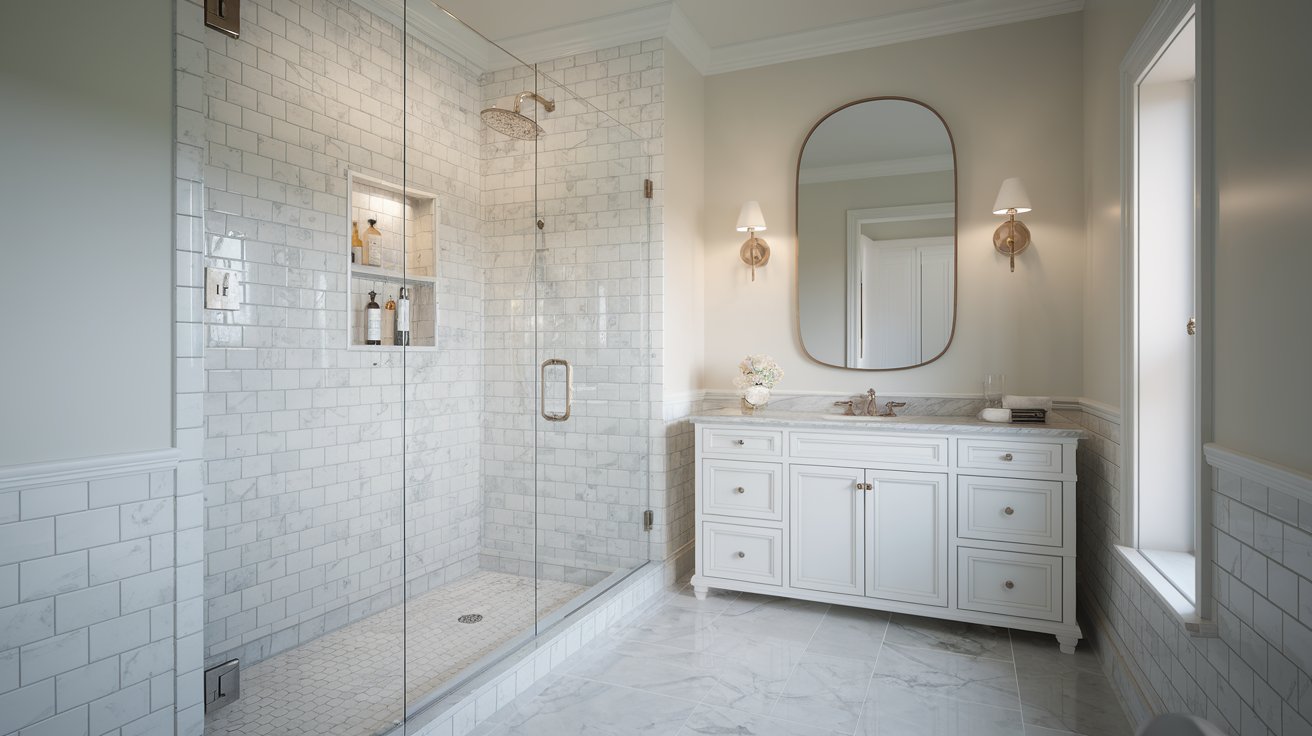
Choosing the best type of glass for shower doors is crucial for safety, aesthetics, and longevity in your bathroom renovation. The right glass selection impacts everything from water spots to overall bathroom design, with tempered glass being the industry standard for safety compliance across the United States in 2025.
Types of Glass for Shower Doors
Understanding the different types of glass for shower doors helps homeowners make informed decisions for their bathroom projects. Each glass type offers unique benefits for durability, maintenance, and visual appeal. Modern shower door manufacturers in the United States primarily offer five main glass categories, each engineered for specific bathroom environments and user preferences.
The glass industry has evolved significantly in 2025, with new manufacturing techniques producing clearer, stronger, and more water-resistant options. Tempered glass remains the mandatory safety standard, while specialty coatings and textures provide enhanced functionality for busy households.
Tempered Safety Glass
Tempered safety glass is the gold standard for shower doors, required by building codes throughout the United States. This heat-treated glass is four times stronger than regular glass and shatters into small, rounded pieces rather than dangerous shards. Manufacturing involves heating glass to 1200°F and rapidly cooling it, creating internal stresses that enhance strength and safety performance.
Low-Iron Clear Glass
Low-iron glass provides exceptional clarity by removing the greenish tint found in standard float glass. This premium option costs 15-25% more than regular clear glass but offers superior light transmission and color accuracy. Low-iron glass is ideal for modern bathrooms where crystal-clear visibility and bright aesthetics are priorities for homeowners.
Textured Glass Options
Textured glass for shower doors combines privacy with style, featuring patterns like rain, fluted, or frosted surfaces. These designs obscure visibility while maintaining light transmission, making them perfect for shared bathrooms or windows facing neighbors. Popular textures in 2025 include reeded glass, which offers vertical lines, and obscure patterns that provide maximum privacy.
Glass Thickness Guidelines for Shower Doors
Selecting the proper thickness of glass for shower doors directly impacts stability, safety, and overall door performance. Standard thicknesses range from 1/4 inch to 1/2 inch, with each option serving different bathroom configurations and budget requirements. Professional contractors in the United States typically recommend specific thicknesses based on door size, hardware type, and expected usage patterns.
Glass thickness affects not only structural integrity but also installation costs and long-term maintenance requirements. Thicker glass provides better sound dampening and feels more substantial, while thinner options offer cost savings for smaller bathroom renovations.
3/8 Inch Glass Specifications
3/8 inch glass thickness represents the most popular choice for residential shower doors, balancing cost and performance effectively. This thickness works well for doors up to 36 inches wide and provides adequate structural support for most hardware systems. Installation costs average $200-400 less than 1/2 inch options, making it budget-friendly for standard bathroom renovations.
1/2 Inch Premium Glass
1/2 inch glass offers maximum stability and premium feel for high-end bathroom installations. This thickness is essential for doors wider than 36 inches and frameless designs requiring superior structural integrity. The additional weight requires heavy-duty hinges and professional installation, but provides exceptional durability and reduced flexing during daily use.
Anti-Spot and Easy-Clean Glass Coatings
Modern shower glass technology includes specialized coatings designed to minimize water spots and soap scum buildup. These protective treatments have revolutionized bathroom maintenance, reducing cleaning frequency and preserving glass clarity over time. Leading manufacturers now offer lifetime warranties on coating performance, making them worthwhile investments for busy households.
Advanced nanotechnology coatings create hydrophobic surfaces that cause water to bead and roll off glass panels. This technology, widely available across the United States in 2025, reduces mineral deposits and extends the time between deep cleaning sessions significantly.
Protective Glass Coatings
Protective coatings like Guardian ShowerGuard and similar products create molecular barriers against mineral deposits and soap residue. These factory-applied treatments penetrate glass surfaces, providing long-lasting protection that maintains clarity and reduces maintenance requirements. Professional application ensures even coverage and maximum effectiveness throughout the coating’s lifespan.
Hydrophobic Treatment Benefits
Hydrophobic treatments transform shower glass surfaces into self-cleaning systems that repel water and contaminants naturally. These coatings reduce cleaning time by up to 75% while maintaining crystal-clear visibility between maintenance sessions. The technology works by creating microscopic texture that prevents water adhesion and promotes rapid drainage.
Shower Door Glass Types for Small Bathrooms
Selecting appropriate types of shower doors for small bathrooms requires careful consideration of space constraints and light transmission properties. Clear glass maximizes the feeling of openness, while specific textures can add visual interest without overwhelming compact spaces. Strategic glass selection can make small bathrooms appear larger and more inviting to daily users.
Design trends in 2025 favor minimalist approaches that emphasize clean lines and maximum light flow. Clear glass shower doors remain the top choice for space-conscious homeowners, creating seamless transitions between shower and bathroom areas while maintaining easy maintenance requirements.
Rain Glass vs Clear Glass Comparison
The choice between rain glass shower door vs clear glass involves balancing privacy needs with aesthetic preferences and maintenance considerations. Rain glass features a textured surface that mimics water droplets, providing moderate privacy while allowing light transmission throughout the bathroom space. This popular option suits families seeking privacy without sacrificing brightness or modern appeal.
Clear glass offers unobstructed views and maximum light flow, making bathrooms appear larger and more open. However, it requires more frequent cleaning to maintain pristine appearance and provides no privacy for shower users. The decision often depends on bathroom layout, user preferences, and overall design goals for the space.
Professional Installation Considerations
Proper installation of shower door glass requires professional expertise to ensure safety, functionality, and warranty compliance. Licensed contractors understand local building codes, proper sealing techniques, and hardware requirements for different glass types and thicknesses. DIY installation voids most manufacturer warranties and creates safety risks for homeowners and their families.
Professional installation costs typically range from $300-800 depending on glass type, door configuration, and local labor rates across the United States. This investment ensures proper alignment, adequate support, and compliance with safety standards while protecting long-term functionality and appearance of the shower enclosure system.
Maintenance and Longevity Factors
Long-term performance of shower glass doors depends on proper maintenance routines and quality installation practices. Regular cleaning with appropriate products prevents mineral buildup and preserves coating effectiveness, while periodic hardware inspections ensure continued safe operation. Quality glass installations can last 15-20 years with proper care and maintenance throughout their service life.
Understanding maintenance requirements before purchase helps homeowners select glass types that match their cleaning preferences and lifestyle demands. Textured glass may hide water spots better but requires different cleaning techniques compared to smooth surfaces, affecting long-term satisfaction with the chosen option.
Related video about best type of glass for shower doors
This video complements the article information with a practical visual demonstration.
Essential Q&A about best type of glass for shower doors
Is there a shower glass that doesn’t spot?
Yes, shower glass with protective coatings like Guardian ShowerGuard or similar hydrophobic treatments significantly reduce water spots and mineral deposits. These factory-applied coatings create barriers that repel water and contaminants, reducing spotting by up to 90% compared to untreated glass surfaces.
What is the clearest shower glass?
Low-iron glass provides the clearest appearance for shower doors by removing the greenish tint found in standard float glass. This premium option offers superior light transmission and color accuracy, making it ideal for modern bathrooms where crystal-clear visibility is desired.
What thickness of glass is best for shower doors?
3/8 inch thick tempered glass is the most popular choice for residential shower doors, balancing cost and performance effectively. For doors wider than 36 inches or frameless designs, 1/2 inch thickness provides superior stability and premium feel while meeting structural requirements.
What’s better for shower doors: 3/8 or 1/2 inch glass?
3/8 inch glass works well for standard doors up to 36 inches wide and costs $200-400 less than 1/2 inch options. Choose 1/2 inch glass for doors wider than 36 inches, frameless designs, or when maximum stability and premium feel are priorities.
Should I choose clear or textured glass for privacy?
Textured glass like rain or fluted patterns provides moderate privacy while maintaining light transmission, making it ideal for shared bathrooms. Clear glass maximizes openness and light but offers no privacy, so the choice depends on your bathroom layout and privacy needs.
How long do shower glass doors typically last?
Quality shower glass doors with proper installation and maintenance can last 15-20 years. Factors affecting longevity include glass quality, coating treatments, hardware quality, installation expertise, and regular maintenance practices throughout the door’s service life.
| Glass Type | Best Use Case | Key Benefit |
|---|---|---|
| 3/8″ Tempered Clear | Standard residential doors | Cost-effective safety compliance |
| 1/2″ Low-Iron | Premium installations | Maximum clarity and stability |
| Textured Rain Glass | Privacy with light transmission | Balanced privacy and brightness |
| Coated Glass | Low maintenance requirements | Reduced cleaning and spotting |