Finding professional glass railing indoor near me services has become increasingly important as modern homeowners seek elegant safety solutions. Indoor glass railings combine safety with sophisticated aesthetics, offering unobstructed views while meeting building codes. With installation costs ranging from $150-400 per linear foot in 2025, choosing the right local contractor ensures quality workmanship and long-term durability for your investment.
Types of Indoor Glass Railings Available
Modern glass railing indoor systems offer various configurations to match your home’s architectural style. Frameless glass railings provide the cleanest look with minimal hardware, while framed systems offer additional structural support. The most popular options include tempered glass panels with stainless steel posts, aluminum framing systems, and hybrid designs combining glass with wood or metal accents.
Professional glass railing manufacturers like Guardian Glass, Pilkington, and regional suppliers produce panels specifically designed for residential applications. These systems must comply with International Building Code requirements, including 42-inch minimum height for stairs and 36-inch for other areas. Quality manufacturers provide warranties ranging from 10-20 years on glass panels and hardware components.
Frameless Glass Railing Systems
Frameless glass railings create stunning visual impact by eliminating visible support structures between posts. These systems use structural glazing techniques and precision-engineered hardware to secure 1/2-inch or 5/8-inch tempered glass panels. Installation requires expert craftsmanship to ensure proper alignment and safety compliance, making professional installation essential for optimal results.
Wood Glass Railing Indoor Combinations
Wood glass railing indoor designs blend traditional craftsmanship with contemporary aesthetics. Popular combinations include oak or maple top rails with tempered glass infill panels, providing warmth while maintaining open sight lines. These hybrid systems typically cost 15-25% more than all-glass options but offer enhanced grip surfaces and customizable wood finishes to match existing millwork.
Glass Railing Indoor Cost Breakdown 2025
Understanding glass railing indoor near me cost factors helps homeowners budget effectively for their projects. Material costs account for 60-70% of total expenses, while labor represents 30-40%. Premium tempered glass panels range from $50-80 per square foot, with additional costs for custom cutting, edge polishing, and safety film applications.
Regional labor rates significantly impact total project costs. Metropolitan areas like New York, Los Angeles, and Chicago see installation rates of $120-180 per linear foot, while smaller markets average $80-120 per linear foot. Permit fees typically add $200-500 to project totals, depending on local jurisdiction requirements and inspection processes.
Material Cost Components
High-quality glass railing materials include tempered safety glass at $45-65 per square foot, stainless steel hardware at $25-40 per linear foot, and structural posts at $150-300 each. Premium options like low-iron glass or specialty tints add 20-35% to material costs but provide superior clarity and aesthetic appeal for discerning homeowners.
Professional Installation Pricing
Certified contractors charge $75-150 per linear foot for glass railing indoor installation, depending on complexity and site conditions. Curved installations, custom angles, and multi-level projects command premium pricing due to increased fabrication requirements and specialized installation techniques. Most contractors require 50% deposits with final payment upon completion and inspection approval.
Finding Glass Railing Contractors Near You
Locating qualified glass railing indoor near me contractors requires careful vetting of credentials, experience, and local reputation. Start by searching certified glazing contractors through the National Glass Association database, which maintains updated listings of licensed professionals. Request multiple quotes from contractors within 25 miles of your location to ensure competitive pricing and reasonable travel charges.
Verify contractor licensing through state and local regulatory agencies, ensuring proper bonding and liability insurance coverage. Established contractors typically carry $1-2 million in general liability coverage and provide detailed warranties on both materials and workmanship. Ask for recent project references and photos demonstrating similar installations in your area.
Glass Railing Indoor for Stairs Specifications
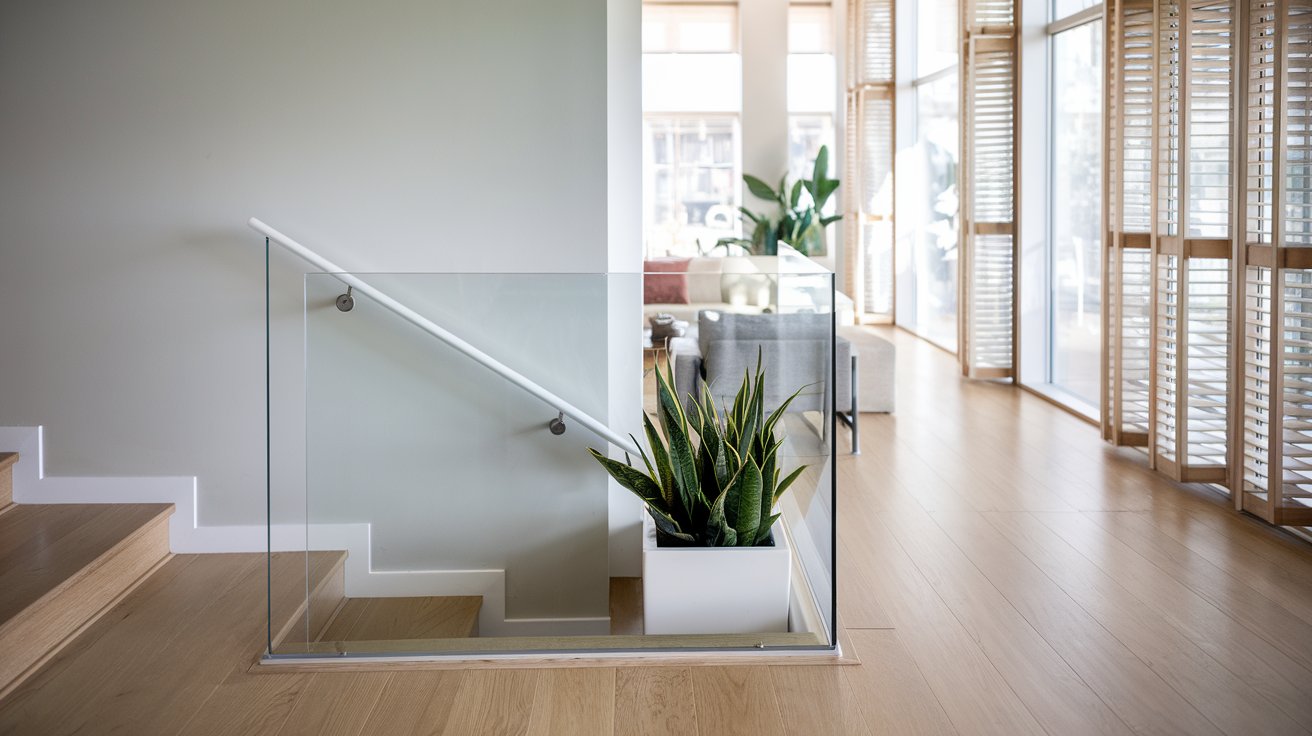
Glass railing indoor near me for stairs installations must comply with stringent safety codes and structural requirements. Stair railings require 42-inch minimum height measurement from stair nosing, with glass panels tested to withstand 50 pounds per square foot horizontal load. Handrail continuity must be maintained throughout stair runs, typically achieved through integrated top rail systems or separate handrail mounting.
Professional stair glass railing installations incorporate proper pitch calculations to ensure consistent appearance while maintaining code compliance. Glass panels are typically cut with slight angles to follow stair geometry, requiring precision templating and custom fabrication. Quality installations include proper drainage details to prevent water accumulation and ensure long-term performance.
Code Compliance Requirements
Building codes mandate specific requirements for glass railings on stairs, including load testing, height specifications, and safety glass requirements. All glass panels must be tempered or laminated safety glass with proper edge treatments. Gaps between glass and floor cannot exceed 4 inches, and any openings must prevent passage of 4-inch diameter spheres.
Structural Considerations for Stairs
Stair glass railing indoor systems require robust mounting systems to handle dynamic loads from daily use. Post spacing typically ranges from 4-6 feet depending on glass thickness and panel dimensions. Structural engineers often specify reinforced mounting points and may require additional structural modifications for optimal safety and performance.
Advantages and Disadvantages of Glass Railings
Indoor glass railings offer numerous benefits including enhanced natural light flow, easy maintenance, and timeless aesthetic appeal. Glass surfaces require only routine cleaning with standard glass cleaners, unlike painted or stained materials requiring periodic refinishing. The transparent nature preserves open sight lines, making spaces appear larger while maintaining necessary safety barriers.
However, disadvantages of glass railings include higher initial costs compared to traditional materials, potential for fingerprints and water spots, and replacement complexity if damaged. Glass panels can develop scratches over time, particularly in high-traffic areas, and may require professional replacement rather than simple repairs like wooden or metal alternatives.
Popular Glass Railing Manufacturers and Brands
Leading glass railing manufacturers include Guardian Glass, Pilkington, and Cardinal Glass, each offering residential-grade tempered glass products. Regional fabricators often provide competitive alternatives with shorter lead times and personalized service. Falcon glass railings represents one premium brand specializing in architectural glazing systems with comprehensive warranty coverage.
Manufacturer selection impacts long-term performance, warranty coverage, and replacement part availability. Established brands typically offer 10-15 year warranties on glass panels and 5-10 years on hardware components. Consider manufacturers with local distribution networks to ensure prompt service and competitive shipping costs for your area.
National Glass Manufacturers
Major glass railing manufacturers like Guardian and Pilkington operate nationwide distribution networks with consistent product quality and technical support. These companies provide engineering assistance, code compliance documentation, and standardized installation guidelines to ensure successful project outcomes across diverse applications and regional requirements.
Regional and Specialty Suppliers
Local glass railing manufacturers often provide faster turnaround times, custom sizing options, and competitive pricing for residential projects. Regional suppliers typically offer more flexible minimum order quantities and can accommodate unique architectural requirements that larger manufacturers might decline or price prohibitively for smaller installations.
Installation Process and Timeline
Professional glass railing indoor installation typically requires 3-5 days for average residential projects, including templating, fabrication, and final installation. Initial site measurements and permit applications add 1-2 weeks to project timelines, while custom glass fabrication requires additional 2-3 weeks depending on manufacturer scheduling and complexity.
The installation process begins with precise field measurements to create templates for glass cutting. Structural posts are installed and aligned before glass panels arrive on-site. Final installation involves careful panel positioning, hardware adjustment, and thorough safety testing to ensure code compliance and optimal performance.
Maintenance and Long-term Care
Proper maintenance ensures glass railings retain their appearance and safety performance for decades. Weekly cleaning with standard glass cleaners and microfiber cloths removes fingerprints, dust, and water spots. Avoid abrasive cleaners or rough cloths that can scratch glass surfaces. Hardware components require periodic inspection and lubrication to maintain smooth operation and prevent corrosion.
Annual professional inspections help identify potential issues before they require costly repairs. Check mounting hardware for looseness, inspect glass panels for chips or cracks, and verify handrail attachment points remain secure. Most manufacturers recommend professional maintenance every 2-3 years to maintain warranty coverage and ensure continued safety compliance.
Related video about glass railing indoor near me
This video complements the article information with a practical visual demonstration.
What you should know
How much does a glass railing cost?
Glass railing costs range from $150-400 per linear foot installed in 2025, depending on glass thickness, hardware quality, and installation complexity. Material costs account for $90-250 per linear foot, while professional installation adds $75-150 per linear foot. Custom designs, curved installations, and premium hardware increase total costs by 25-50% above standard configurations.
What are the disadvantages of glass railings?
Glass railings require more frequent cleaning due to visible fingerprints and water spots, cost more initially than traditional materials, and can be expensive to repair if damaged. Glass panels may develop scratches over time and offer no privacy. Additionally, they can create glare issues in certain lighting conditions and may feel cold to touch in winter months.
Is glass railing expensive?
Glass railings are more expensive than traditional wood or metal alternatives, with initial costs 50-100% higher than standard materials. However, they require minimal maintenance, never need painting or staining, and offer superior durability. Long-term cost analysis often favors glass due to reduced maintenance expenses and increased property values.
What is an indoor railing called?
Indoor railings are commonly called guardrails, handrails, or balustrades depending on their specific function and location. Stair railings provide guidance and support along stairs, while guardrails prevent falls from elevated areas. The term balustrade refers to the entire railing system including posts, panels, and handrails as a complete architectural element.
Can glass railings be installed on existing stairs?
Yes, glass railings can typically be retrofitted onto existing stairs, though structural modifications may be required. Existing stairs must be evaluated for adequate support capacity, proper mounting surfaces, and code compliance. Professional assessment ensures existing structures can safely support glass railing loads and meet current building code requirements.
How long do glass railings last?
Quality glass railings last 25-30 years or more with proper maintenance and care. Tempered glass panels are extremely durable and resistant to impact damage, while stainless steel hardware provides corrosion resistance. Most manufacturers offer 10-20 year warranties, and well-maintained systems often exceed warranty periods significantly with minimal degradation in appearance or performance.
| Key Aspect | Important Details | Benefit |
|---|---|---|
| Installation Cost | $150-400 per linear foot (2025) | Competitive pricing with long-term value |
| Safety Compliance | Tempered glass, 42-inch stair height | Meets all building codes |
| Maintenance | Weekly cleaning, annual inspection | Low maintenance requirements |
| Warranty Coverage | 10-20 years on glass, 5-10 on hardware | Protected investment |
| Professional Installation | 3-5 day timeline, certified contractors | Quality workmanship guaranteed |