Finding a reliable glass railing system near me requires careful consideration of local installers, material quality, and project requirements. Glass railings enhance property value while providing unobstructed views and modern aesthetics. This comprehensive guide connects you with qualified professionals and essential information for your glass railing installation project in 2025.
Types of Glass Railing Systems Available Near You
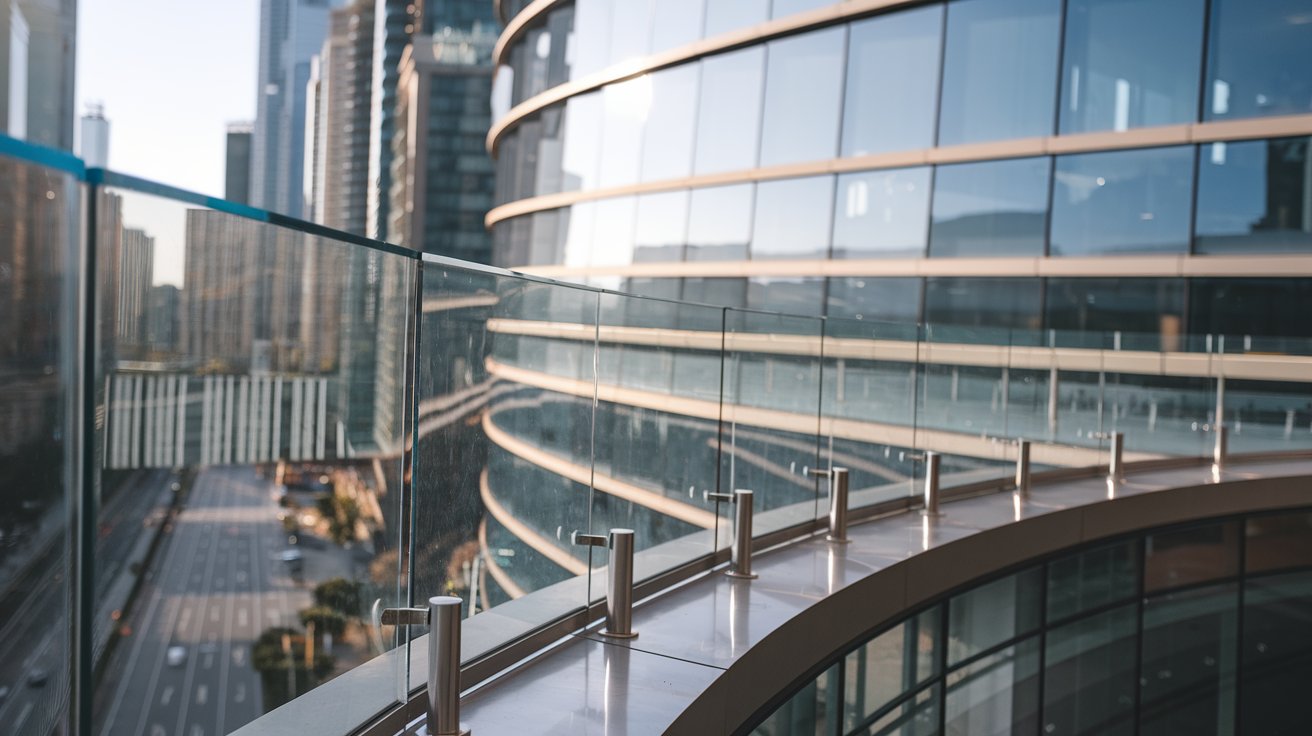
Modern glass railing systems come in various configurations to meet different architectural needs and budgets. Frameless systems offer the cleanest look with minimal hardware, while framed options provide additional structural support. Semi-frameless designs balance aesthetics with practical installation requirements, making them popular for residential applications.
Structural glazing systems integrate glass panels directly into building frameworks, creating seamless barriers ideal for commercial properties. Post-and-rail systems combine glass panels with decorative metal posts, offering flexibility in design while maintaining safety standards. Each system type affects installation complexity, cost, and long-term maintenance requirements.
Residential Glass Railing Systems
Residential glass railing systems typically range from $200 to $600 per linear foot installed, depending on complexity and materials. Deck applications require tempered glass panels meeting IBC code requirements, while interior staircases may use laminated glass for enhanced safety. Popular residential applications include balconies, porches, and pool areas where unobstructed views enhance property appeal.
Commercial Glass Railing Applications
Commercial installations demand higher safety standards and often incorporate structural glass railing systems capable of handling increased traffic loads. Office buildings, shopping centers, and public spaces require railings meeting ADA compliance and local building codes. Professional installers ensure proper wind load calculations and seismic considerations for multi-story applications.
Finding Quality Glass Railing Installers Near You
Locating experienced glass railing installers near me involves researching local contractors with specialized glazing expertise and proper licensing. Qualified installers carry comprehensive insurance coverage and demonstrate familiarity with local building codes and permit requirements. Request portfolio examples showcasing similar projects and verify customer references for recent installations.
Professional installers provide detailed quotes including material specifications, installation timelines, and warranty coverage. Compare multiple estimates while evaluating contractor credentials, project experience, and customer service quality. Local glazing contractors often maintain relationships with glass manufacturers, potentially offering better pricing and material availability.
Verifying Installer Credentials
Legitimate glass railing system installers maintain current licenses, bonding, and liability insurance meeting state requirements. Check contractor registration with local building departments and verify Better Business Bureau ratings. Request copies of insurance certificates and confirm coverage amounts protect your property during installation activities.
Getting Accurate Installation Quotes
Professional quotes for glass railing systems near me include site measurements, material specifications, labor costs, and permit fees. Quality installers conduct on-site evaluations to assess structural requirements and identify potential installation challenges. Detailed proposals specify glass thickness, hardware finishes, and installation methods to ensure accurate project budgeting.
Glass Railing Cost Factors in Your Area
Regional pricing for glass railing systems varies based on local labor costs, material availability, and building code requirements. Urban areas typically command higher installation rates due to increased overhead and stricter permitting processes. Rural locations may face higher material transportation costs but benefit from lower labor expenses.
Glass thickness requirements directly impact project costs, with standard 1/2-inch tempered glass being most economical. Specialty glass options including low-iron, tinted, or laminated panels increase material expenses but offer enhanced performance characteristics. Hardware selection affects both aesthetics and budget, with stainless steel components commanding premium pricing over aluminum alternatives.
Outdoor Glass Railing Systems for Decks and Patios
Outdoor glass railing systems near me must withstand weather exposure while maintaining structural integrity and appearance. Marine-grade hardware prevents corrosion in coastal environments, while proper drainage systems prevent water accumulation around glass panels. UV-resistant sealants and gaskets ensure long-term weather protection and reduce maintenance requirements.
Deck installations require careful consideration of structural loading and proper attachment methods to existing frameworks. Professional engineers may need to evaluate deck capacity before installing heavy glass railing systems. Proper flashing and waterproofing prevent moisture intrusion that could damage underlying structures.
Weather Resistance and Durability
Quality outdoor glass railing systems incorporate tempered safety glass capable of withstanding thermal stress and impact loads. Stainless steel hardware provides superior corrosion resistance compared to painted alternatives. Regular maintenance including cleaning and hardware inspection extends system lifespan and maintains warranty coverage.
Building Code Compliance for Exterior Railings
Exterior glass railing systems must meet International Building Code height requirements of 42 inches minimum for most applications. Wind load calculations become critical for elevated installations and open areas with significant exposure. Professional installers ensure proper engineering and permitting for code-compliant installations.
Glass Railing vs Steel Railing Comparison
Comparing glass railings versus steel railings reveals distinct advantages for each material depending on application requirements and aesthetic preferences. Glass systems provide unobstructed views and modern appeal but require more careful installation and maintenance. Steel railings offer greater design flexibility and lower initial costs but may obstruct views and require regular painting or coating maintenance.
Long-term maintenance costs favor glass systems due to their resistance to corrosion and minimal upkeep requirements. Steel railings require periodic refinishing to prevent rust and maintain appearance, particularly in harsh weather environments. Glass panels simply need regular cleaning to maintain transparency and visual appeal.
Home Value Impact of Glass Railing Systems
Installing quality glass railing systems typically increases home value by 2-5% depending on property location and existing amenities. Premium materials and professional installation enhance return on investment while improving overall property aesthetics. Real estate professionals consistently cite glass railings as attractive features for potential buyers seeking modern design elements.
Properties with ocean views, mountain vistas, or architectural significance benefit most from glass railing installations. The unobstructed sight lines provided by glass systems maximize the value of scenic locations and enhance outdoor living spaces. Professional appraisers recognize glass railings as permanent improvements that add lasting value to residential properties.
Common Glass Railing Disadvantages to Consider
While glass railing systems offer numerous benefits, certain disadvantages require careful consideration before installation. Higher initial costs compared to traditional railing materials may strain project budgets, and replacement costs for damaged panels can be significant. Glass surfaces show fingerprints, water spots, and dust more readily than metal alternatives, requiring frequent cleaning for optimal appearance.
Safety concerns arise from the potential for glass breakage, although tempered safety glass reduces injury risks when properly installed. Privacy limitations may be problematic for certain applications where visual screening is desired. Installation complexity requires specialized contractors and tools, potentially extending project timelines and increasing labor costs.
Maintenance Requirements for Glass Railings
Proper maintenance extends the lifespan of glass railing systems and preserves their aesthetic appeal throughout years of use. Regular cleaning using appropriate glass cleaners prevents buildup of mineral deposits, salt residue, and environmental contaminants. Hardware inspection and lubrication ensure smooth operation of gates and adjustable components while preventing premature wear.
Seasonal maintenance includes checking gasket integrity, tightening hardware connections, and inspecting glass panels for chips or cracks. Professional maintenance services may be beneficial for large installations or hard-to-reach locations. Prompt repair of minor issues prevents more costly problems and maintains safety standards required by building codes.
Related video about glass railing system near me
This video complements the article information with a practical visual demonstration.
Important things to know about glass railing system near me
How much does a glass railing system cost near me?
Glass railing systems typically cost $200-600 per linear foot installed, depending on glass type, hardware selection, and installation complexity. Residential projects average $350-450 per linear foot, while commercial installations may reach $800+ per linear foot due to enhanced safety requirements and structural considerations. Local labor rates and permit fees affect total project costs significantly.
What are the main disadvantages of glass railings?
Glass railings require frequent cleaning to maintain appearance, have higher initial costs than traditional materials, and offer limited privacy. Safety glass replacement can be expensive if panels are damaged, and installation requires specialized contractors with glazing expertise. Some applications may experience wind noise or structural challenges requiring additional engineering.
Which is cheaper, glass railing or steel railing?
Steel railings are typically 30-50% less expensive initially than glass systems, ranging $100-300 per linear foot installed. However, steel requires regular maintenance including painting, rust treatment, and potential replacement after 15-20 years. Glass railings offer lower long-term costs due to minimal maintenance requirements and 25+ year lifespans with proper installation.
Do glass railings increase home value?
Quality glass railing installations typically increase home value by 2-5%, with higher returns in properties featuring scenic views or modern architecture. The unobstructed sight lines and contemporary appeal attract buyers willing to pay premiums for updated features. Professional installation and premium materials maximize return on investment compared to budget alternatives.
How do I find qualified glass railing installers near me?
Research local glazing contractors with specialized glass railing experience, proper licensing, and comprehensive insurance coverage. Request portfolio examples, customer references, and detailed quotes including materials and warranties. Verify Better Business Bureau ratings and check with local building departments for contractor registration status and complaint history.
Are glass railings suitable for outdoor deck applications?
Outdoor glass railing systems work excellently for deck applications when properly designed for weather exposure and structural loads. Marine-grade hardware, proper drainage, and UV-resistant seals ensure longevity in exterior environments. Professional installation includes wind load calculations and building code compliance for elevated deck installations requiring enhanced safety standards.
| System Type | Cost Range | Best Application |
|---|---|---|
| Frameless Glass | $400-600/linear ft | Premium residential, scenic views |
| Semi-Frameless | $300-450/linear ft | Decks, patios, budget-conscious |
| Post-and-Panel | $200-350/linear ft | Traditional homes, cost-effective |
| Commercial Grade | $500-800/linear ft | High-traffic, code compliance |