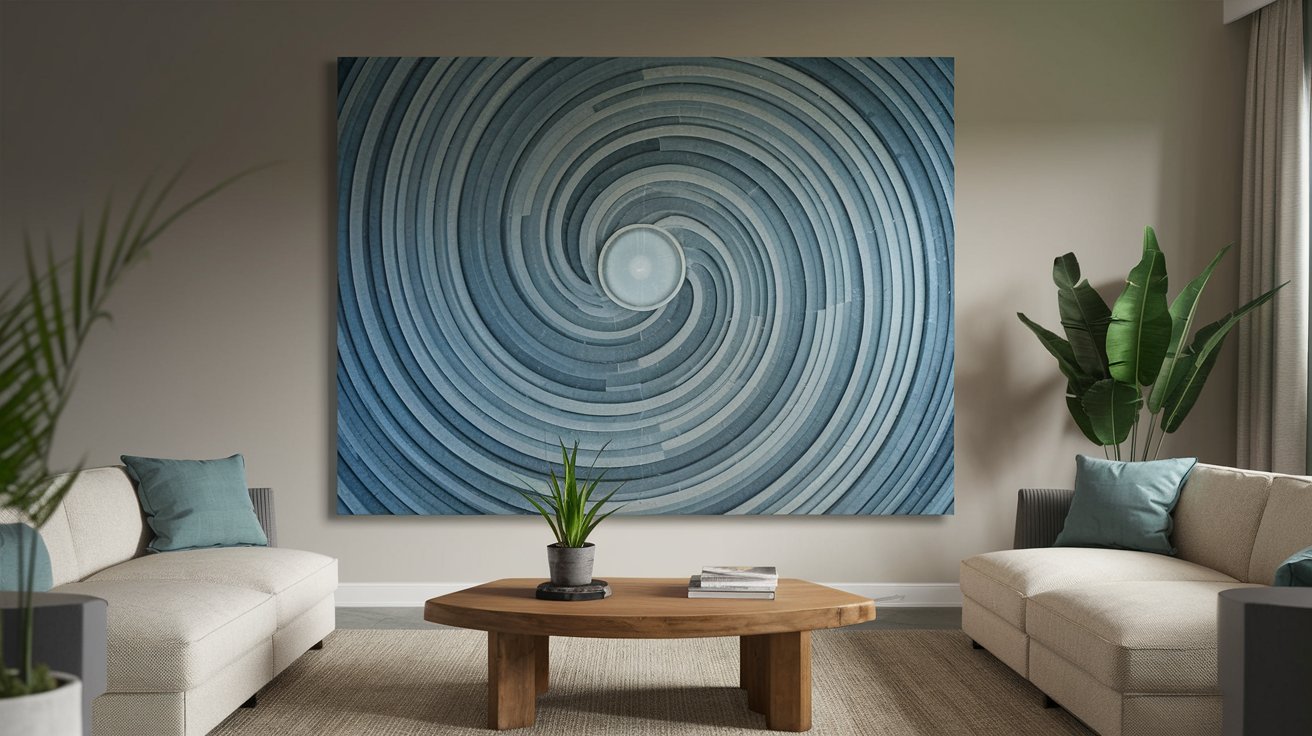
Glass art represents one of the most captivating forms of artistic expression, combining technical mastery with breathtaking beauty and design. From ancient Roman vessels to contemporary installations, glass artists transform molten silica into stunning works that capture light, color, and imagination in ways no other medium can achieve.
What is Glass Art Called and Its Modern Evolution
The art of working with glass is called several names depending on the technique used. Traditional glassblowing is known as lampworking or flameworking, while kiln-formed glass encompasses fusing, slumping, and casting techniques. Contemporary glass art has evolved far beyond functional objects, with artists creating large-scale sculptures, architectural installations, and mixed-media pieces that challenge traditional boundaries of the medium.
In 2024, the American glass art market reached $2.8 billion, with over 15,000 practicing glass artists across the United States. Major glass art centers in Seattle, Chicago, and Philadelphia continue to drive innovation in both traditional and experimental techniques, making glass art beauty design more accessible to collectors and enthusiasts nationwide.
Different Styles of Glass Art and Their Characteristics
Understanding the different styles of glass art helps appreciate the diversity and complexity of this medium. Each style requires specific techniques, tools, and years of training to master effectively.
Traditional Blown Glass Techniques
Blown glass remains the most recognizable style of glass art, involving gathering molten glass on a blowpipe and shaping it through breath control and gravity. Master glassblowers can create vessels, ornaments, and sculptural forms with walls as thin as paper yet incredibly strong. Contemporary artists like William Morris and Lino Tagliapietra have elevated this ancient technique into museum-quality art pieces valued at $50,000 to $500,000.
Kiln-Formed and Fused Glass Artworks
Kiln-formed glass art includes fusing, casting, and slumping techniques that create stunning visual effects through controlled heating and cooling cycles. Artists layer different colored glasses, metals, and organic materials to achieve complex patterns and textures. This style has gained popularity among contemporary artists for its ability to create large architectural panels and intricate jewelry pieces with precise control over final outcomes.
Most Famous Glass Artists and Their Contributions
The question of who is the most famous glass artist often points to Dale Chihuly, whose colorful installations have redefined public perception of glass as fine art. However, several other masters have shaped the medium’s evolution significantly.
Dale Chihuly and Contemporary Glass Movements
Dale Chihuly stands as the most famous glass artist globally, with installations in over 200 museums worldwide and permanent collections valued at millions of dollars. His revolutionary approach transformed glass from craft to fine art, inspiring countless artists to explore glass art beauty design concepts. Chihuly’s Venetian series, Persian series, and massive chandeliers demonstrate how glass can compete with painting and sculpture in major art markets.
Historical Masters and Their Lasting Influence
Historical figures like Louis Comfort Tiffany revolutionized decorative glass art through innovative stained glass techniques that remain influential today. Contemporary masters such as Harvey Littleton, who founded the American studio glass movement in the 1960s, established glass as a legitimate artistic medium in universities nationwide. These pioneers created the foundation for today’s thriving glass art beauty design community.
Why Glass Art Commands Premium Prices
Many collectors wonder why glass art is so expensive, and the answer lies in the complexity of materials, specialized equipment, years of training required, and the delicate nature of the finished pieces. Understanding these factors helps appreciate the true value of quality glass artwork.
Technical Complexity and Skill Requirements
Creating professional glass art requires mastering temperatures exceeding 2,000°F, precise timing, and years of practice to develop muscle memory for complex movements. Most successful glass artists spend 5-10 years as apprentices before creating independent works. The technical mastery needed to control molten glass while maintaining artistic vision explains why quality pieces command high prices in galleries and auction houses.
Equipment and Material Costs
Professional glass studios require investments of $100,000 to $500,000 for kilns, glory holes, annealing ovens, and safety equipment. Specialized glass materials, including precious metal inclusions and rare earth colorants, can cost $200-$500 per pound. These overhead costs, combined with the physical demands and safety requirements of glassworking, contribute to the premium pricing of authentic glass art beauty design pieces.
Glass Art Beauty Design Ideas for Modern Spaces
Contemporary glass art beauty design ideas embrace both traditional techniques and cutting-edge technology to create stunning pieces for residential and commercial spaces. Modern glass art serves as both functional objects and statement pieces that transform interior environments.
Residential Glass Art Applications
Homeowners increasingly incorporate glass art beauty design ideas through custom lighting fixtures, sculptural vessels, and architectural elements like glass walls or room dividers. Popular 2025 trends include dichroic glass panels that change color with viewing angle, LED-integrated glass sculptures, and large-scale fused glass artworks that serve as focal points in modern living spaces.
Commercial and Public Art Installations
Corporate clients and public art programs represent growing markets for large-scale glass art installations. Hotels, airports, and office buildings commission custom glass artworks ranging from $50,000 to $2 million, creating unique brand identities while supporting local artists. These installations often incorporate regional themes and sustainable practices, making glass art an increasingly popular choice for public art projects.
Notable Glass Art Beauty Design Artists to Watch
The contemporary glass art scene features numerous talented glass art beauty design artists who are pushing the medium in exciting new directions. These innovators combine traditional skills with modern concepts to create works that will likely define the next generation of glass art.
Emerging artists like Therman Statom, who combines glass with found objects, and Karen LaMonte, known for her life-sized glass cast sculptures, represent the diversity of approaches within contemporary glass art. Their work demonstrates how modern glass art beauty design continues evolving beyond traditional vessel forms into conceptual and installation-based practices.
Collecting and Caring for Glass Artworks
Building a collection of glass art requires understanding market values, artist reputations, and proper conservation techniques. Successful collectors often focus on specific styles, regions, or time periods while building relationships with galleries, artists, and other collectors.
Proper care involves controlling temperature fluctuations, avoiding direct sunlight that can cause stress fractures, and using appropriate display methods that support the weight of larger pieces. Professional conservation services for valuable glass art beauty design pieces can cost $500-$5,000 but preserve investments for future generations while maintaining the stunning visual impact these works provide.
Related video about glass: art. beauty. design.
This video complements the article information with a practical visual demonstration.
Your questions answered
What is art with glass called?
Art created with glass is called by various names depending on the technique: glassblowing, lampworking, flameworking for heated techniques, and kiln-forming for pieces shaped in ovens. Contemporary glass art encompasses sculpture, installation, and mixed-media works that go far beyond traditional vessel making.
Why is glass art so expensive?
Glass art commands high prices due to the specialized equipment required (kilns costing $50,000+), years of training needed to master techniques, expensive materials including precious metal inclusions, and the high failure rate during creation. Most professional pieces represent hundreds of hours of skilled labor.
Who is the most famous glass artist?
Dale Chihuly is widely considered the most famous glass artist globally, with installations in over 200 museums and artwork valued in millions. His innovative techniques and large-scale installations transformed glass from craft to fine art, inspiring an entire generation of contemporary glass artists.
What are the different styles of glass art?
Major glass art styles include blown glass (using breath and gravity), cast glass (molded in kilns), fused glass (layered and heated), flameworked glass (shaped with torches), and contemporary mixed-media approaches. Each style requires specific techniques, equipment, and artistic training to master effectively.
How much should I expect to pay for quality glass art?
Quality glass art prices range from $200-$2,000 for emerging artists’ smaller pieces, $2,000-$25,000 for established artists’ works, and $25,000-$500,000+ for master artists or large installations. Factors affecting price include artist reputation, size, complexity, and rarity of the piece.
Where can I learn glass art techniques?
Glass art can be learned at specialized schools like Virginia Commonwealth University, Alfred University, or Pilchuck Glass School, as well as through studio workshops, community colleges, and private lessons. Most programs require 2-4 years to develop basic proficiency, with master-level skills taking decades to achieve.
| Glass Art Aspect | Key Details | Value Benefit |
|---|---|---|
| Technical Mastery | 5-10 years training required | Ensures authentic, lasting artwork |
| Material Quality | Premium glass costs $200-$500/lb | Superior clarity and color depth |
| Market Growth | $2.8B US market in 2024 | Strong investment potential |
| Artistic Innovation | LED integration, mixed media | Contemporary relevance and appeal |