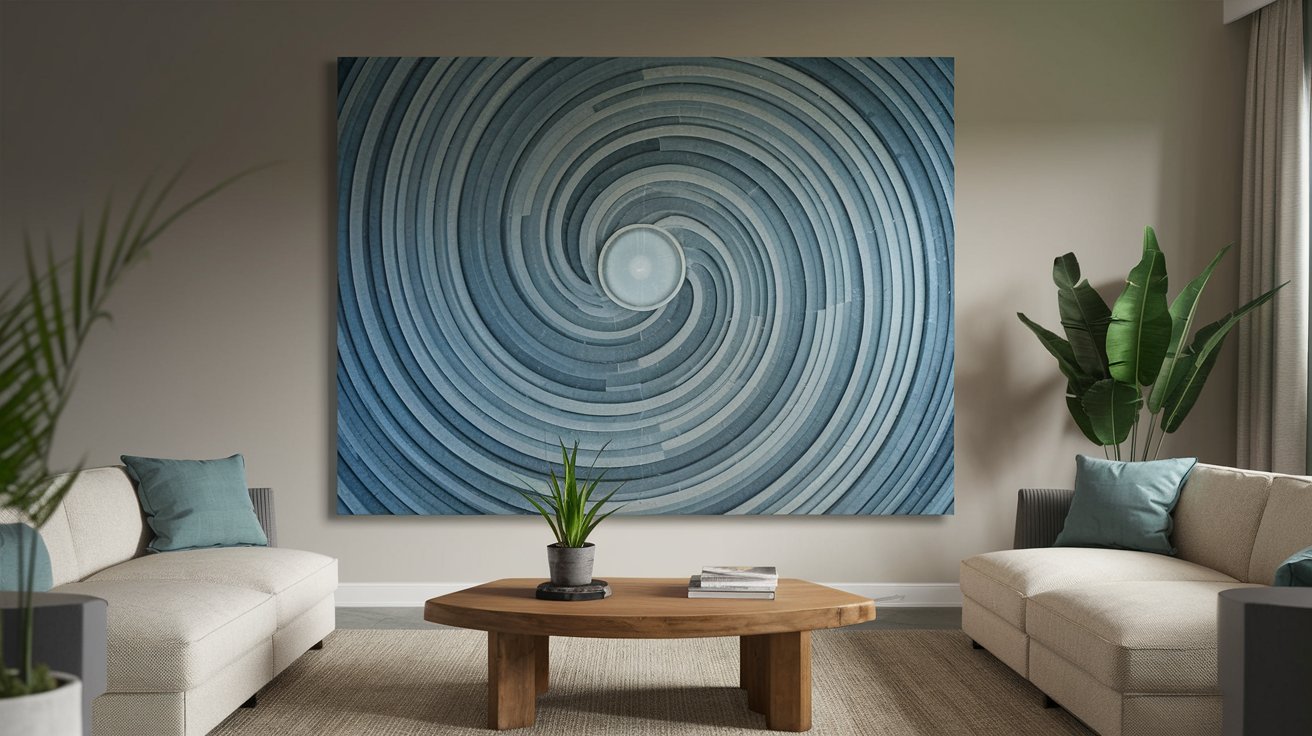
Texture pattern frosted glass design has revolutionized modern architecture and interior design in 2025, offering privacy without sacrificing natural light. This comprehensive guide explores the latest techniques, patterns, and applications that are transforming spaces across the United States, from residential homes to commercial buildings.
Understanding Textured Glass Patterns and Modern Applications
The modern textured glass patterns available in 2025 have evolved significantly from traditional sandblasted surfaces. Today’s designs incorporate advanced etching techniques, digital printing, and laser cutting to create intricate patterns that serve both functional and aesthetic purposes. These innovations have made texture pattern frosted glass design a preferred choice for architects and designers seeking to balance privacy with visual appeal.
Contemporary applications range from office partitions and bathroom windows to decorative panels and retail storefronts. The versatility of frosted glass texture seamless designs allows for consistent visual flow while maintaining distinct spaces within open-plan environments that have become increasingly popular in American architecture.
Types of Textured Glass Available in 2025
The types of textured glass currently dominating the market include acid-etched glass, sandblasted glass, and digitally printed patterns. Acid-etched glass offers uniform opacity with a smooth surface, while sandblasted options provide varying degrees of texture depth. Digital printing technology now enables custom patterns that were impossible to achieve just five years ago, making personalized texture pattern frosted glass design accessible to residential customers.
Popular Pattern Styles for Modern Homes
Geometric patterns, organic flowing designs, and minimalist line work represent the most requested modern texture pattern frosted glass design styles in 2025. Linear patterns work exceptionally well in contemporary spaces, while nature-inspired textures complement traditional and transitional home styles. The key is selecting patterns that enhance rather than compete with existing architectural elements.
How to Create a Frosted Look on Glass: Professional Techniques
Creating a professional frosted look on glass requires understanding the various methods available and their appropriate applications. Chemical etching remains the most durable option, providing permanent results that withstand daily cleaning and weather exposure. This process involves applying acid-resistant stencils and carefully controlling exposure time to achieve consistent opacity levels.
DIY methods using frosting spray or adhesive films offer temporary solutions for renters or those seeking cost-effective alternatives. However, these approaches typically lack the seamless texture achieved through professional processes and may require periodic replacement due to wear and environmental factors.
Professional Etching and Sandblasting Methods
Professional etching utilizes hydrofluoric acid or specialized etching creams applied through precision stencils to create uniform patterns. Sandblasting employs high-pressure abrasives to achieve varying texture depths, allowing for gradient effects and three-dimensional appearances. Both methods require specialized equipment and safety protocols, making professional installation the recommended approach for permanent applications.
Digital Printing and Modern Technologies
Advanced digital printing technology enables the creation of frosted glass texture 3D effects that simulate traditional etching while offering unlimited design possibilities. This method uses ceramic inks fired onto glass surfaces, creating durable patterns that maintain clarity in non-printed areas. The precision of digital printing makes it ideal for reproducing architectural drawings, logos, or custom artwork in texture pattern frosted glass design.
Exterior Applications of Texture Pattern Frosted Glass Design
Texture pattern frosted glass design exterior applications have gained significant popularity in commercial and residential construction throughout 2025. These installations must withstand weather extremes while maintaining their aesthetic appeal and functional performance. Proper selection of glass thickness, frame materials, and installation techniques ensures longevity in outdoor environments.
Weather-resistant patterns typically feature deeper etching or specialized coatings that prevent dirt accumulation and facilitate easy maintenance. The most successful exterior applications incorporate drainage considerations and thermal expansion accommodations to prevent stress fractures and ensure long-term performance.
Commercial Building Integration
Modern commercial buildings increasingly feature textured glass patterns as architectural elements that enhance curb appeal while providing necessary privacy for interior spaces. Office buildings, healthcare facilities, and retail establishments benefit from designs that create visual interest without compromising professional appearance. The integration of LED lighting behind textured panels creates dramatic effects that transform building facades after dark.
Residential Exterior Design Trends
Homeowners in 2025 favor texture pattern frosted glass design for front doors, sidelights, and privacy screens around outdoor living areas. These applications provide security benefits while maintaining neighborhood aesthetics. Popular residential patterns include subtle geometric designs, nature-inspired textures, and custom family monograms that reflect personal style preferences.
3D Rendering and SketchUp Applications for Design Visualization
The integration of frosted glass texture seamless SketchUp models has revolutionized the design process, allowing architects and designers to accurately preview texture pattern frosted glass design before installation. These digital tools enable clients to visualize how different patterns will appear in their specific lighting conditions and architectural contexts.
Professional rendering software now includes extensive libraries of frosted glass texture 3D materials that simulate light transmission, reflection, and shadow patterns with remarkable accuracy. This technology reduces design errors and ensures client satisfaction by providing realistic representations of proposed installations.
Disadvantages and Limitations of Frosted Glass
While texture pattern frosted glass design offers numerous benefits, understanding its disadvantages ensures informed decision-making. Maintenance requirements typically exceed those of clear glass, as textured surfaces can trap dust, fingerprints, and environmental debris that requires specialized cleaning techniques to maintain appearance.
Cost considerations include higher initial investment compared to standard glass options, potential replacement difficulties for custom patterns, and energy efficiency impacts in certain climate conditions. Additionally, light transmission reduction may necessitate supplemental artificial lighting in some applications, affecting long-term operating costs.
Maintenance and Cleaning Challenges
Regular maintenance of textured glass requires specialized cleaning products and techniques to prevent damage to etched or sandblasted surfaces. Abrasive cleaners can permanently alter texture patterns, while improper cleaning methods may create streaking or uneven appearance. Professional cleaning services familiar with frosted glass care often provide the best long-term results.
Cost and Replacement Considerations
The initial investment in texture pattern frosted glass design typically ranges from 30-70% higher than standard glass options, depending on pattern complexity and installation requirements. Custom patterns may require minimum order quantities that increase project costs, while replacement of damaged panels often necessitates recreating entire pattern runs to maintain visual consistency.
Current Style Trends and Market Demand in 2025
Textured glass has definitively established itself as a lasting design trend rather than a passing fad in 2025. Market research indicates a 23% increase in demand for frosted glass applications in residential construction and a 31% growth in commercial installations compared to 2023 figures. This sustained growth reflects the material’s proven functionality and timeless aesthetic appeal.
Contemporary style preferences favor subtle texture patterns that complement rather than dominate architectural elements. Minimalist approaches using fine etching or light sandblasting align with current design philosophies emphasizing clean lines and uncluttered spaces while still providing necessary privacy and light control functions.
Installation Best Practices and Professional Guidelines
Proper installation of texture pattern frosted glass design requires careful attention to structural support, weatherproofing, and thermal considerations. Professional installers must account for glass expansion and contraction cycles, particularly in exterior applications where temperature variations can exceed 100 degrees Fahrenheit annually in many U.S. regions.
Quality installations incorporate appropriate glazing compounds, structural sealants, and drainage systems that prevent water infiltration while accommodating building movement. These technical considerations ensure long-term performance and prevent costly repairs or premature replacement of textured glass installations.
Related video about texture pattern frosted glass design
This video complements the article information with a practical visual demonstration.
Frequently Asked Questions
How to create a frosted look on glass?
Creating a frosted look on glass can be achieved through several methods: chemical etching using hydrofluoric acid for permanent results, sandblasting with abrasives for textured surfaces, or applying frosting spray for temporary solutions. Professional methods provide superior durability and uniform appearance, while DIY options offer cost-effective alternatives for temporary applications.
What are the different types of textured glass?
The main types of textured glass include acid-etched glass with smooth uniform opacity, sandblasted glass offering varying texture depths, cast glass with molded patterns, and digitally printed glass enabling custom designs. Each type serves different applications, with acid-etched being ideal for privacy screens and sandblasted excellent for decorative elements requiring visual texture.
What are the disadvantages of frosted glass?
Disadvantages of frosted glass include higher maintenance requirements due to textured surfaces trapping debris, increased initial costs compared to clear glass, reduced light transmission necessitating additional lighting, and potential difficulty in replacement for custom patterns. Additionally, improper cleaning can damage textured surfaces, requiring specialized care techniques.
Is textured glass in style?
Yes, textured glass remains highly stylish in 2025, with market demand increasing 23% in residential and 31% in commercial applications. Current trends favor subtle patterns, geometric designs, and minimalist approaches that complement modern architecture. The material’s functionality combined with aesthetic appeal ensures its continued popularity in contemporary design.
How durable is texture pattern frosted glass design for exterior use?
Exterior texture pattern frosted glass design is highly durable when properly installed, with quality installations lasting 20-30 years. Professional etching and sandblasting methods provide weather-resistant surfaces that withstand UV exposure, temperature fluctuations, and environmental debris. Proper drainage and thermal expansion accommodation are essential for maximum longevity.
Can frosted glass patterns be customized for specific projects?
Custom frosted glass patterns are readily available through digital printing, laser etching, and precision sandblasting techniques. Modern technology enables reproduction of architectural drawings, logos, artwork, and unique geometric designs. Custom patterns typically require longer lead times and minimum quantities but offer unlimited design possibilities for specialized applications.
| Design Aspect | Key Features | Primary Benefit |
|---|---|---|
| Pattern Variety | Geometric, organic, custom digital prints | Unlimited design possibilities |
| Privacy Control | Adjustable opacity levels | Natural light with privacy |
| Durability | 20-30 year lifespan with proper care | Long-term value investment |
| Installation Methods | Professional etching, sandblasting, digital | Superior quality and consistency |
| Market Demand | 23% residential, 31% commercial growth | Proven lasting design trend |